Treating Your Rashes
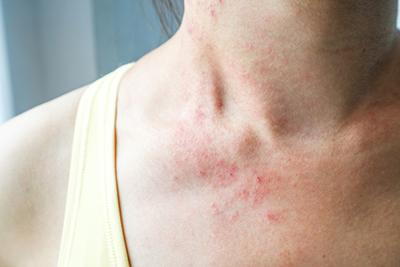
A skin rash is one of the most common skin conditions your dermatologist treats. A skin rash can develop occasionally and go away without treatment. A skin rash can also stay around and become a chronic problem which needs treatment.
A skin rash can take on many forms, including:
- Red, swollen bumps
- Painful, pus-filled cysts
- Diffuse, surface-level redness
A skin rash can also cover different parts of your body, including your face, neck, chest, back, shoulders, and legs.
Some examples of occasional rashes include:
- Exposure to harsh chemicals, like alcohol
- Exposure to an allergen, like certain foods
- Environmental exposure, like poison ivy
- Exposure to the elements, including wind, heat, and cold
These types of rashes may be treated with:
- Antibiotics, if the rash has caused an infection
- Cortisone cream, to reduce itching
- Oral corticosteroids, to decrease redness, swelling, and itching
- Aveeno or oatmeal baths, to reduce itching
- Prescription antihistamines to decrease itching
If your rash becomes chronic, it could be a sign of:
- Eczema
- Psoriasis
- Rosacea
For a chronic rash due to an underlying medical condition, your dermatologist may recommend the same treatments listed above, along with:
- Laser light and heat therapy to fade away the rash
- Topical creams to reduce the appearance of blemishes
- Prescription medications to reduce breakouts
A skin rash is also associated with serious medical conditions like lupus erythematosus. For this reason, when you have a persistent rash, you should visit a skin specialist–your dermatologist. The dermatologist may want to order laboratory testing or take a small sample of tissue to be sent off for a biopsy.
Depending on the results, your dermatologist may refer you to another specialist for further evaluation and treatment, but it all begins with a visit to your dermatologist.
In addition to diagnosis and treatment of skin rashes, you should also visit your dermatologist for:
- Acne breakouts
- Early signs of aging
- Moles and other skin growths
To learn more about different types of rashes and their treatments, talk with an expert. Call your dermatologist now.
Treating Your Rashes
A skin rash is one of the most common skin conditions your dermatologist treats. A skin rash can develop occasionally and go away without treatment. A skin rash can also stay around and become a chronic problem which needs treatment.
A skin rash can take on many forms, including:
- Red, swollen bumps
- Painful, pus-filled cysts
- Diffuse, surface-level redness
A skin rash can also cover different parts of your body, including your face, neck, chest, back, shoulders, and legs.
Some examples of occasional rashes include:
- Exposure to harsh chemicals, like alcohol
- Exposure to an allergen, like certain foods
- Environmental exposure, like poison ivy
- Exposure to the elements, including wind, heat, and cold
These types of rashes may be treated with:
- Antibiotics, if the rash has caused an infection
- Cortisone cream, to reduce itching
- Oral corticosteroids, to decrease redness, swelling, and itching
- Aveeno or oatmeal baths, to reduce itching
- Prescription antihistamines to decrease itching
If your rash becomes chronic, it could be a sign of:
- Eczema
- Psoriasis
- Rosacea
For a chronic rash due to an underlying medical condition, your dermatologist may recommend the same treatments listed above, along with:
- Laser light and heat therapy to fade away the rash
- Topical creams to reduce the appearance of blemishes
- Prescription medications to reduce breakouts
A skin rash is also associated with serious medical conditions like lupus erythematosus. For this reason, when you have a persistent rash, you should visit a skin specialist–your dermatologist. The dermatologist may want to order laboratory testing or take a small sample of tissue to be sent off for a biopsy.
Depending on the results, your dermatologist may refer you to another specialist for further evaluation and treatment, but it all begins with a visit to your dermatologist.
In addition to diagnosis and treatment of skin rashes, you should also visit your dermatologist for:
- Acne breakouts
- Early signs of aging
- Moles and other skin growths
To learn more about different types of rashes and their treatments, talk with an expert. Call your dermatologist now.

Ormond Beach
400 Lakebridge Plaza Drive
Ormond Beach, FL 32174
Phone: (386) 677-9044
Ormond Beach
1385 West Granada Blvd., Ste 1
Ormond Beach, FL 32174
Phone: (386) 677-9044
Port Orange
1175 Dunlawton Avenue, Unit 102
Port Orange, FL 32127
Phone: (386) 265-1913
New Smyrna Beach
501 South Orange Street
New Smyrna Beach, FL 32168
Phone: (386) 410-5045
Palm Coast
33 & 37 Old Kings Road North
Palm Coast, FL 32137
Phone: (386) 225-4607
Orange City
2515 Junior Street
Orange City, FL 32763
Phone: (386) 218-6806