FAQs About Seborrheic Dermatitis
Seborrheic dermatitis is one of the most common skin conditions that dermatologists diagnose and treat here in the US. If you notice any weird skin rashes or lesions on the skin, you may naturally be concerned about what’s going on. Whether you suspect that you might have seborrheic dermatitis or you’re not quite sure what’s going on, here are answers to some of the top questions dermatologists get regarding this chronic skin disorder.
What is seborrheic dermatitis?
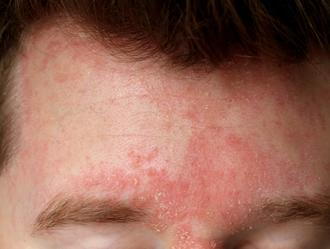
This condition can affect both children and adults. This problem may first begin in infants. This scaly skin that develops on your infant’s head is also referred to as cradle cap. As an adult, seborrheic dermatitis can also affect the ears, nose, and eyebrows, as well as the armpits and groin. This scaly rash may also be itchy.
What causes it?
While the cause is still unknown certain things might trigger or cause a flare-up. This includes everything from stress and genetics to certain medical conditions and living in cold, dry climates.
Who is at risk for developing seborrheic dermatitis?
Newborns are more likely to develop seborrheic dermatitis; however, adults between the ages of 30-60 are also at risk. Some risk factors that can raise your risk as an adult include:
- Acne
- Oily skin
- Alcoholism
- Psoriasis
- Rosacea
- AIDS
- Depression
Is there a cure?
While there is no cure for seborrheic dermatitis, the good news is that sometimes this condition clears up on its own without treatment. If you are dealing with persistent or severe flare-ups, then it’s time to talk with a dermatologist about ways to better control your symptoms.
How is it treated?
A dermatologist will start with simple, conservative treatment options such as topical medications, lotions, creams, or shampoos that contain ingredients such as coal tar, salicylic acid, or zinc pyrithione. If your baby is dealing with seborrheic dermatitis, make sure you talk to the child’s pediatrician before you use anything on their scalp.
Sometimes sulfur-based skincare products or corticosteroid creams are prescribed by a dermatologist to treat more severe flare-ups that aren’t responding to over-the-counter treatment options.
If you are experiencing symptoms of seborrheic dermatitis, it’s always a good idea to turn to a dermatologist who is qualified to properly evaluate, diagnose, and treat any conditions impacting the skin, nails, or hair. Turn to a dermatologist today for the treatment and care you need to get seborrheic dermatitis under control.
FAQs About Seborrheic Dermatitis
Seborrheic dermatitis is one of the most common skin conditions that dermatologists diagnose and treat here in the US. If you notice any weird skin rashes or lesions on the skin, you may naturally be concerned about what’s going on. Whether you suspect that you might have seborrheic dermatitis or you’re not quite sure what’s going on, here are answers to some of the top questions dermatologists get regarding this chronic skin disorder.
What is seborrheic dermatitis?
This condition can affect both children and adults. This problem may first begin in infants. This scaly skin that develops on your infant’s head is also referred to as cradle cap. As an adult, seborrheic dermatitis can also affect the ears, nose, and eyebrows, as well as the armpits and groin. This scaly rash may also be itchy.
What causes it?
While the cause is still unknown certain things might trigger or cause a flare-up. This includes everything from stress and genetics to certain medical conditions and living in cold, dry climates.
Who is at risk for developing seborrheic dermatitis?
Newborns are more likely to develop seborrheic dermatitis; however, adults between the ages of 30-60 are also at risk. Some risk factors that can raise your risk as an adult include:
- Acne
- Oily skin
- Alcoholism
- Psoriasis
- Rosacea
- AIDS
- Depression
Is there a cure?
While there is no cure for seborrheic dermatitis, the good news is that sometimes this condition clears up on its own without treatment. If you are dealing with persistent or severe flare-ups, then it’s time to talk with a dermatologist about ways to better control your symptoms.
How is it treated?
A dermatologist will start with simple, conservative treatment options such as topical medications, lotions, creams, or shampoos that contain ingredients such as coal tar, salicylic acid, or zinc pyrithione. If your baby is dealing with seborrheic dermatitis, make sure you talk to the child’s pediatrician before you use anything on their scalp.
Sometimes sulfur-based skincare products or corticosteroid creams are prescribed by a dermatologist to treat more severe flare-ups that aren’t responding to over-the-counter treatment options.
If you are experiencing symptoms of seborrheic dermatitis, it’s always a good idea to turn to a dermatologist who is qualified to properly evaluate, diagnose, and treat any conditions impacting the skin, nails, or hair. Turn to a dermatologist today for the treatment and care you need to get seborrheic dermatitis under control.

Ormond Beach
400 Lakebridge Plaza Drive
Ormond Beach, FL 32174
Phone: (386) 677-9044
Ormond Beach
1385 West Granada Blvd., Ste 1
Ormond Beach, FL 32174
Phone: (386) 677-9044
Port Orange
1175 Dunlawton Avenue, Unit 102
Port Orange, FL 32127
Phone: (386) 265-1913
New Smyrna Beach
501 South Orange Street
New Smyrna Beach, FL 32168
Phone: (386) 410-5045
Palm Coast
33 & 37 Old Kings Road North
Palm Coast, FL 32137
Phone: (386) 225-4607
Orange City
2515 Junior Street
Orange City, FL 32763
Phone: (386) 218-6806