Understanding Cold Sores
Cold sores are small, painful blisters that develop on the lips and around the mouth. These sores are caused by a viral infection known as herpes simplex. More specifically, Herpes Simplex Type 1 is typically the cause of cold sores. This condition is very common, affecting around 67% of the global population. Here’s what you should know about cold sores, including how to treat them when they surface.
How did I get cold sores?
Cold sores are highly contagious, so it is possible to get a cold sore from,
- Kissing an infected person
- Sharing utensils and drinking from the same glass as an infected person
- Oral sex
While the herpes simplex virus is typically considered a sexually transmitted disease when it comes to cold sores many cases of HSV1 are passed between family members. If you have a parent or grandparent who has cold sores who has also kissed you or shared food and drink items with you, then chances are good that you got your cold sore from them.
What are the symptoms of a cold sore?
Before a blister even develops, you may notice burning, tingling, pain, or itching around the affected area of the lip. If this is your first time dealing with a cold sore, it is common for the first outbreak to be the worst. In this case, you may develop a fever, body aches, or other flu-like symptoms.
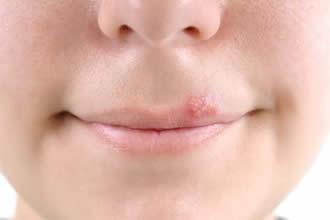
The cold sore itself may look like a cluster of blisters or an inflamed, open sore. Eventually, the blister will scab over and go away, usually in about two weeks.
How can I treat a cold sore?
When it comes to treating a cold sore, you can find simple over-the-counter creams that help to ease symptoms. If you deal with severe cold sore outbreaks you may wish to talk with your dermatologist about a prescription antiviral medication, that can help to reduce the length of your outbreak and reduce symptom severity.
Are cold sores and canker sores the same thing?
Cold sores and canker sores can often be mistaken for each other, but they are not the same. First, cold sores usually develop on the lips while canker sore cause painful sores to develop in the mouth. Secondly, cold sores are due to a virus while we still don’t know exactly what causes canker sores.
If you are dealing with cold sores your dermatologist can provide you with both over-the-counter and prescription options, depending on the severity of your symptoms. If you have questions about cold sores, call your dermatologist today.
Understanding Cold Sores
Cold sores are small, painful blisters that develop on the lips and around the mouth. These sores are caused by a viral infection known as herpes simplex. More specifically, Herpes Simplex Type 1 is typically the cause of cold sores. This condition is very common, affecting around 67% of the global population. Here’s what you should know about cold sores, including how to treat them when they surface.
How did I get cold sores?
Cold sores are highly contagious, so it is possible to get a cold sore from,
- Kissing an infected person
- Sharing utensils and drinking from the same glass as an infected person
- Oral sex
While the herpes simplex virus is typically considered a sexually transmitted disease when it comes to cold sores many cases of HSV1 are passed between family members. If you have a parent or grandparent who has cold sores who has also kissed you or shared food and drink items with you, then chances are good that you got your cold sore from them.
What are the symptoms of a cold sore?
Before a blister even develops, you may notice burning, tingling, pain, or itching around the affected area of the lip. If this is your first time dealing with a cold sore, it is common for the first outbreak to be the worst. In this case, you may develop a fever, body aches, or other flu-like symptoms.
The cold sore itself may look like a cluster of blisters or an inflamed, open sore. Eventually, the blister will scab over and go away, usually in about two weeks.
How can I treat a cold sore?
When it comes to treating a cold sore, you can find simple over-the-counter creams that help to ease symptoms. If you deal with severe cold sore outbreaks you may wish to talk with your dermatologist about a prescription antiviral medication, that can help to reduce the length of your outbreak and reduce symptom severity.
Are cold sores and canker sores the same thing?
Cold sores and canker sores can often be mistaken for each other, but they are not the same. First, cold sores usually develop on the lips while canker sore cause painful sores to develop in the mouth. Secondly, cold sores are due to a virus while we still don’t know exactly what causes canker sores.
If you are dealing with cold sores your dermatologist can provide you with both over-the-counter and prescription options, depending on the severity of your symptoms. If you have questions about cold sores, call your dermatologist today.

Ormond Beach
400 Lakebridge Plaza Drive
Ormond Beach, FL 32174
Phone: (386) 677-9044
Ormond Beach
1385 West Granada Blvd., Ste 1
Ormond Beach, FL 32174
Phone: (386) 677-9044
Port Orange
1175 Dunlawton Avenue, Unit 102
Port Orange, FL 32127
Phone: (386) 265-1913
New Smyrna Beach
501 South Orange Street
New Smyrna Beach, FL 32168
Phone: (386) 410-5045
Palm Coast
33 & 37 Old Kings Road North
Palm Coast, FL 32137
Phone: (386) 225-4607
Orange City
2515 Junior Street
Orange City, FL 32763
Phone: (386) 218-6806