Why Regular Skin Checks Are Key to Early Cancer Detection
Your skin is your body’s largest organ, and it often reveals the first signs of serious conditions like skin cancer. Regular skin checks are one of the most effective ways to detect cancer early, when treatment is most successful. By scheduling routine visits with your dermatologist, you can identify suspicious spots before they progress into something more serious and take proactive steps toward long-term skin health.
Understanding the Importance of Early Detection
Skin cancer remains one of the most common cancers in the United States, yet it is also among the most treatable when caught early. Melanoma, basal cell carcinoma, and squamous cell carcinoma can begin as small, seemingly harmless marks on the skin. Through professional evaluation, dermatologists can detect subtle changes that a person might easily overlook during a self-exam.
What Happens During a Skin Examination
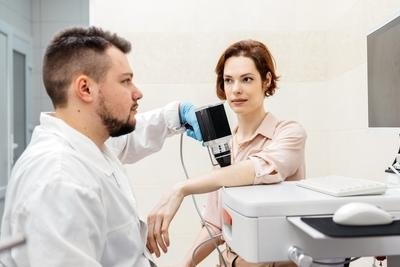
During a professional skin check, your dermatologist carefully evaluates your skin from head to toe, looking for new or changing moles, patches, or areas of discoloration. Specialized lighting and magnification tools are used to inspect places that are difficult to see on your own, such as the scalp or back. If an unusual area is found, a quick and simple biopsy can often confirm whether further treatment is needed.
Who Should Schedule Regular Exams
Routine skin exams are recommended for everyone, but they are especially important for those with a history of sunburns, tanning bed use, or a family history of skin cancer. People with fair complexions or numerous moles should also be more vigilant. Even if no visible changes are noticed, regular visits help ensure that potential concerns are detected early, when treatment is most effective.
Protecting Your Skin Between Visits
Skin checks are only part of a comprehensive skin health plan. Wearing sunscreen daily, avoiding peak sun hours, and performing self-exams at home can greatly reduce your risk. Keep track of any new or changing spots and share your observations with your dermatologist. Consistent monitoring combined with professional evaluation offers the best protection against skin cancer.
Take Charge of Your Skin Health
Prioritizing regular skin checks is one of the simplest and most effective ways to safeguard your health. If it has been more than a year since your last exam, schedule an appointment with your dermatologist to stay proactive about prevention. Early detection saves lives, and your next visit could make all the difference.
Why Regular Skin Checks Are Key to Early Cancer Detection
Your skin is your body’s largest organ, and it often reveals the first signs of serious conditions like skin cancer. Regular skin checks are one of the most effective ways to detect cancer early, when treatment is most successful. By scheduling routine visits with your dermatologist, you can identify suspicious spots before they progress into something more serious and take proactive steps toward long-term skin health.
Understanding the Importance of Early Detection
Skin cancer remains one of the most common cancers in the United States, yet it is also among the most treatable when caught early. Melanoma, basal cell carcinoma, and squamous cell carcinoma can begin as small, seemingly harmless marks on the skin. Through professional evaluation, dermatologists can detect subtle changes that a person might easily overlook during a self-exam.
What Happens During a Skin Examination
During a professional skin check, your dermatologist carefully evaluates your skin from head to toe, looking for new or changing moles, patches, or areas of discoloration. Specialized lighting and magnification tools are used to inspect places that are difficult to see on your own, such as the scalp or back. If an unusual area is found, a quick and simple biopsy can often confirm whether further treatment is needed.
Who Should Schedule Regular Exams
Routine skin exams are recommended for everyone, but they are especially important for those with a history of sunburns, tanning bed use, or a family history of skin cancer. People with fair complexions or numerous moles should also be more vigilant. Even if no visible changes are noticed, regular visits help ensure that potential concerns are detected early, when treatment is most effective.
Protecting Your Skin Between Visits
Skin checks are only part of a comprehensive skin health plan. Wearing sunscreen daily, avoiding peak sun hours, and performing self-exams at home can greatly reduce your risk. Keep track of any new or changing spots and share your observations with your dermatologist. Consistent monitoring combined with professional evaluation offers the best protection against skin cancer.
Take Charge of Your Skin Health
Prioritizing regular skin checks is one of the simplest and most effective ways to safeguard your health. If it has been more than a year since your last exam, schedule an appointment with your dermatologist to stay proactive about prevention. Early detection saves lives, and your next visit could make all the difference.

Ormond Beach
400 Lakebridge Plaza Drive
Ormond Beach, FL 32174
Phone: (386) 677-9044
Ormond Beach
1385 West Granada Blvd., Ste 1
Ormond Beach, FL 32174
Phone: (386) 677-9044
Port Orange
1175 Dunlawton Avenue, Unit 102
Port Orange, FL 32127
Phone: (386) 265-1913
New Smyrna Beach
501 South Orange Street
New Smyrna Beach, FL 32168
Phone: (386) 410-5045
Palm Coast
33 & 37 Old Kings Road North
Palm Coast, FL 32137
Phone: (386) 225-4607
Orange City
2515 Junior Street
Orange City, FL 32763
Phone: (386) 218-6806